what are vessels that carry blood to the heart
How Does Blood Flow Through The Heart
Claret Vessels In The Body – What Are Blood Vessels – Functions Of Blood Vessels
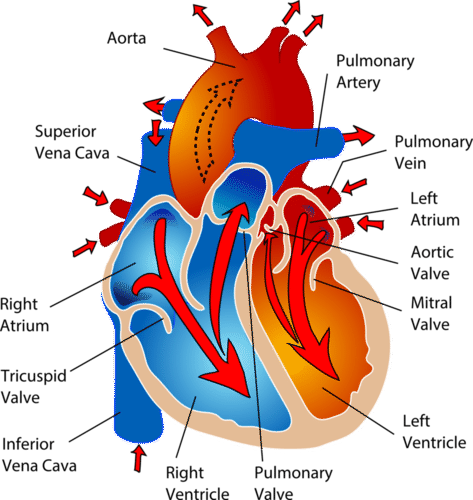
The right and left sides of the heart work together. The pattern described below is repeated over and over, causing blood to menses continuously to the center, lungs, and trunk.
Right side of the heart
- Blood enters the heart through two large veins, the inferior and superior vena cava, elimination oxygen-poor claret from the body into the correct atrium.
- As the atrium contracts, blood flows from your right atrium into your right ventricle through the open tricuspid valve.
- When the ventricle is full, the tricuspid valve shuts. This prevents blood from flowing backward into the right atrium while the ventricle contracts.
- As the ventricle contracts, blood leaves the heart through the pulmonic valve, into the pulmonary artery and to the lungs, where information technology is oxygenated. The oxygenated claret then returns to the heart through the pulmonary veins.
Left side of the center
- The pulmonary veins empty oxygen-rich blood from the lungs into the left atrium.
- As the atrium contracts, claret flows from your left atrium into your left ventricle through the open up mitral valve.
- When the ventricle is full, the mitral valve shuts. This prevents claret from flowing astern into the atrium while the ventricle contracts.
- Every bit the ventricle contracts, blood leaves the heart through the aortic valve, into the aorta and to the body.
What Blood Vessel Carries Claret To The Heart
Who are the experts?Our certified Educators are existent professors, teachers, and scholars who utilise their academic expertise to tackle your toughest questions. Educators go through a rigorous awarding process, and every answer they submit is reviewed by our in-house editorial team.
Ph.D. from Oregon Land University
Educator since 2017
Our centre acts as a pump to circulate the blood to different parts of our body. Claret vessels carry oxygen poor blood to eye, from where information technology is sent to the lungs to get fresh oxygen supply. Oxygen rich blood is sent back to middle and from there it is…
What Makes The Heart Pump
Your centre has a special electrical system chosen the cardiac conduction system. This organization controls the rate and rhythm of the heartbeat. With each heartbeat, an electric signal travels from the top of the heart to the bottom. As the signal travels, it causes the eye to contract and pump blood.
Read Too: How Long Practice People Live With Congestive Centre Failure
Components Of The Aorta
The aortic curvation contains peripheral baroreceptors and chemoreceptors that relay data concerning blood pressure, claret pH, and carbon dioxide levels to the medulla oblongata of the brain. This information is processed past the brain and the autonomic nervous system mediates the homeostatic responses that involve feedback in the lungs and kidneys. The aorta extends effectually the eye and travels down, diverging into the iliac arteries. The v components of the aorta are:
Blood Vessels Arteries Capillaries Veins Vena Cava Fundamental Veins
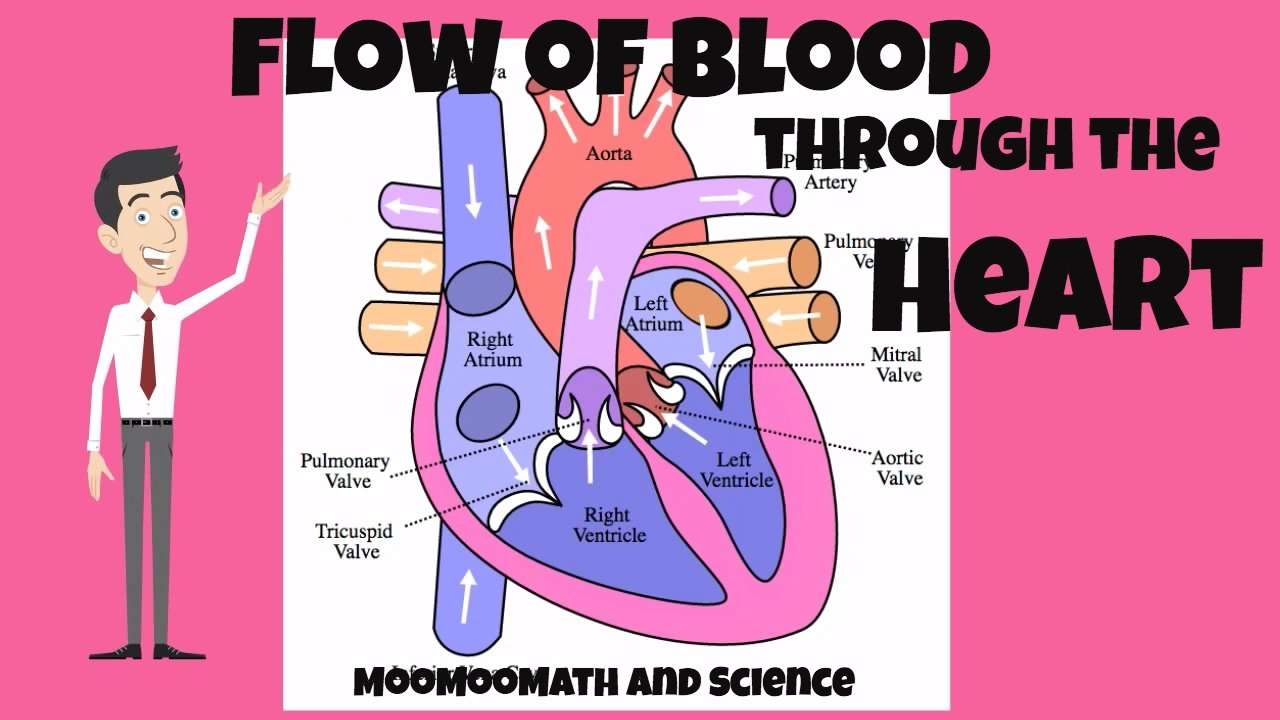
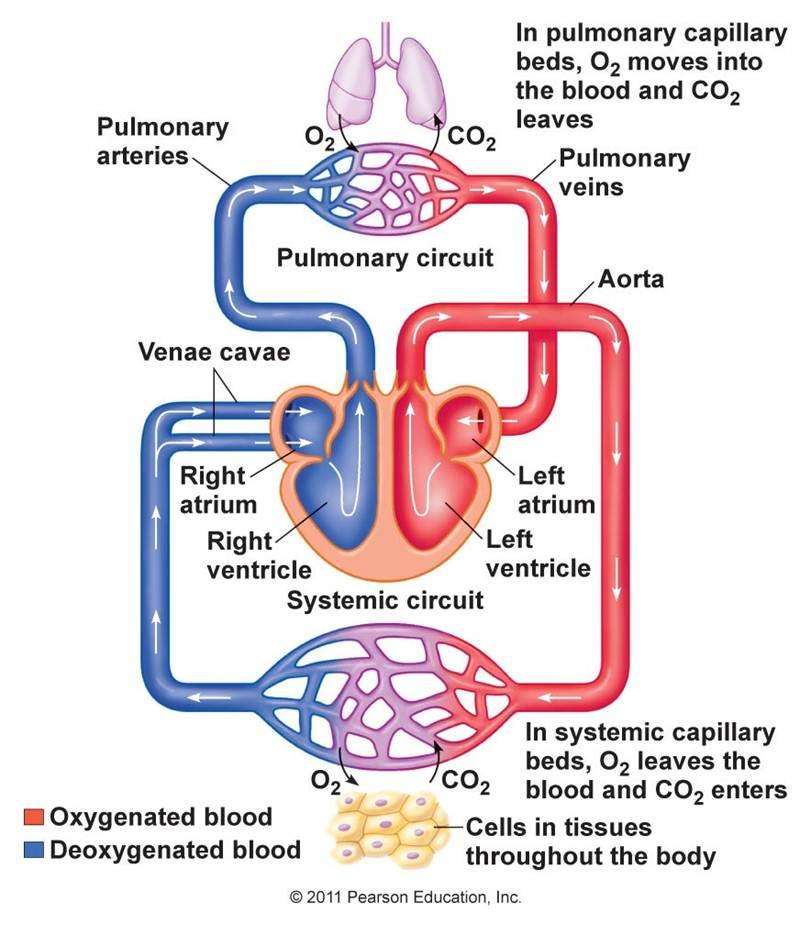
Image 1: Blood Vessels. Arteries carry oxygen rich claret from the left side of the heart to the tissues and organs. Afterwards oxygen leaves the claret and moves into the tissues, the level of oxygen in the claret becomes low. The veins bear blood that has a low level of oxygen dorsum to the right side of the middle. Blood from the veins is pumped from the right side of the heart through the blood vessels of the lungs, where new oxygen is picked up. This oxygen rich blood flows from the lungs to the left side of the center.
Recommended Reading: Why Does Left Arm Go Numb During Eye Set on
Where Are Your Claret Vessels Located
There are blood vessels throughout your torso. The chief artery is your aorta, which connects to the left side of your heart. It runs downward through your breast, diaphragm and abdomen, branching off in many areas. Near your pelvis, your aorta branches into two arteries that supply blood to your lower torso and legs.
The main vein in your body is the vena cava. The superior vena cava is in the upper right part of your chest. It carries blood from your head, neck, artillery and breast back to your heart. The inferior vena cava is near the right side of your diaphragm. Information technology brings claret from your legs, feet, abdomen and pelvis back to your heart.
What Conditions And Disorders Affect The Claret Vessels
A broad range of bug tin can touch your blood vessels, including:
- Aneurysm, a burl in a weak or damaged portion of an artery. Aneurysms tin can occur anywhere in your body. If they rupture , they may cause life-threatening internal bleeding.
- Arterial diseases, including coronary artery disease, carotid artery disease and peripheral artery disease . These diseases cause arteries to narrow, usually due to atherosclerosis.
- Atherosclerosis, which is the buildup of plaque inside your arteries. It can lead to a heart attack or stroke.
- Claret clots, or clumps of blood that form inside veins or arteries. Clots block claret period and tin pb to deep vein thrombosis , pulmonary embolism, stroke or occlusion of an avenue.
- High blood force per unit area, or hypertension, occurs when theres besides much force against the walls of your arteries.
- Raynauds illness, which causes arteries that supply blood to your skin to get very narrow in response to cold temperatures.
- Varicose veins, or twisted and enlarged veins that usually form in the legs or feet.
- Vascular malformations, which are abnormal clusters or connections betwixt blood vessels. Conditions such as arteriovenous malformations are frequently congenital .
- Vasculitis, which is blood vessel inflammation. Blood vessel walls tin can thicken and narrow, which prevents claret from flowing freely.
Read As well: How Does High Blood Pressure Affect The Heart
What Kind Of Blood Comes Back Into The Heart & Then Goes To The Lungs
The heart consists of four chambers in which blood flows. Blood enters the right atrium and passes through the right ventricle. The right ventricle pumps the claret to the lungs where information technology becomes oxygenated. The oxygenated claret is brought back to the heart by the pulmonary veins which enter the left atrium.
How Does Claret Motility Through The Center
Blood Flow through the Middle in ii MINUTES
Blood comes into the right atrium from the trunk, moves into the correct ventricle and is pushed into the pulmonary arteries in the lungs. After picking up oxygen, the blood travels back to the eye through the pulmonary veins into the left atrium, to the left ventricle and out to the torso'southward tissues through the aorta.
Read Also: How Do Nsaids Cause Centre Attacks And Strokes
Difference Between Blood Vessels And Veins
- Science
There are multiple functions going on in our bodies simultaneously. For smoothen operation and better coordination between organs, each piece of work inside the trunk is differentiated so that the whole torso works flawlessly.
One of the main functions of our body is the transportation of blood to and from the center. At that place are two types of blood vessels; arteries and veins in the circulatory system involved in carrying claret to the heart and abroad from the heart.
Arteries and veins, though they belong to the circulatory arrangement, differs in their functionality and speciality. In this article, nosotros will be looking at what exactly arteries and veins are and what are their meaning differences.
Recommended Reading: Is Your Pulse And Heart Rate The Same Thing
How Do The Centre And Blood Vessels Piece of work
The heart works past following a sequence of electrical signals that crusade the muscles in the chambers of the heart to contract in a certain order. If these electrical signals change, the center may not pump besides as it should.
The sequence of each heartbeat is as follows:
- The sinoatrial node in the correct atrium is similar a tiny in-built 'timer'. It fires off an electrical impulse at regular intervals. This controls your middle rate. Each impulse spreads across both atria, which causes them to contract. This pumps claret through one-way valves into the ventricles.
- The electric impulse gets to the atrioventricular node at the lower right atrium. This acts like a 'junction box' and the impulse is delayed slightly. Near of the tissue betwixt the atria and ventricles does non acquit the impulse. Still, a thin band of conducting fibres called the atrioventricular bundle acts like 'wires' and carries the impulse from the AV node to the ventricles.
- The AV package splits into ii – a correct and a left branch. These then split up into many tiny fibres which carry the electrical impulse throughout the ventricles. The ventricles contract and pump claret through 1-manner valves into large arteries:
- The arteries going from the right ventricle accept blood to the lungs.
- The arteries going from the left ventricle take blood to the residue of the body.
Don't Miss: Does Fever Increment Centre Charge per unit
What Is The Vascular System
The vascular organisation, as well called the circulatory system, is fabricated up of the vessels that carry blood and lymph through the body. The arteries and veins carry claret throughout the body, delivering oxygen and nutrients to the body tissues and taking away tissue waste matter matter. The lymph vessels conduct lymphatic fluid . The lymphatic organization helps protect and maintain the fluid environment of the body past filtering and draining lymph away from each region of the torso.
The vessels of the blood circulatory organization are:
-
Arteries. Claret vessels that carry oxygenated blood away from the centre to the body.
-
Veins. Blood vessels that conduct blood from the trunk dorsum into the eye.
-
Capillaries. Tiny claret vessels betwixt arteries and veins that distribute oxygen-rich blood to the torso.
Blood moves through the circulatory system as a result of being pumped out by the heart. Blood leaving the heart through the arteries is saturated with oxygen. The arteries intermission down into smaller and smaller branches to bring oxygen and other nutrients to the cells of the body'southward tissues and organs. Every bit blood moves through the capillaries, the oxygen and other nutrients move out into the cells, and waste matter matter from the cells moves into the capillaries. Equally the blood leaves the capillaries, it moves through the veins, which become larger and larger to carry the blood back to the heart.
The Centre And Claret Vessels
Oxygen is vital to life equally it provides fuel for all the body'southward functions. The heart's role is to pump oxygen-rich blood to every prison cell in the trunk. The blood vessels a network of interconnecting arteries, arterioles, capillaries, venules, and veins provide the pathway in which claret travels.
Arteries are the passageways through which the blood is delivered, the largest of which is the aorta. The aorta branches off the heart and divides into many smaller arteries, which have muscular walls that arrange their diameter to increment or decrease blood flow to a particular torso area. Capillaries are thin walled, highly branched vessels that feed the tissues and collect wastes to be carried back to the lungs, liver, or kidney for elimination. Capillaries empty into the venules, which in turn drain into the veins that pb dorsum to the heart. Veins carry deoxygenated blood to the lungs to choice up more oxygen, and then back to the heart once once more.
Don't Miss: How Long Can Heart Attack Last
Introduction To The Major Claret Vessels Of The Eye:
The major blood vessels of the eye are the larger arteres and veins that adhere to the atria and ventricles and transport blood to and from the
Blood is delivered to the right atrium from the systemic circulatory system past ii veins:
- The superior vena cava transports oxygen-depleted blood from the upper extremities, head, and neck.
Learning about the cardiovascular organisation? You lot may like this cardiovascular organization revision guide consummate with diagrams, quizzes and free worksheets.
What Is The Name Of The Blood Vessels That Bear Blood To And From The Lungs
pulmonary artery pulmonary
Refering to the common carotid artery supplies blood to the head and confront. The blood vessel that carries blood from the right ventricle to the lungs. It is the but artery that carries deoxygenated claret.
Also, what is the blood vessel that carries blood to the heart called? blood vessels: Blood moves through many tubes called arteries and veins, which together are chosen claret vessels. The blood vessels that comport blood away from the heart are called arteries. The ones that carry blood back to the centre are called veins.
People also inquire, what carries blood abroad from the lungs?
Central terms
Read Also: How To Slow Downward My Heart Rate
Students Who Viewed This Also Studied
S L – General Biology .pdf
Polytechnic University of Puerto Rico
SCIENCE Biological science
Polytechnic University of Puerto Rico
SCIENCE BIOLOGY
S L – Full general Biology .pdf
Polytechnic University of Puerto Rico
SCIENCE BIOLOGY
Southward 50 – General Biology .pdf
Polytechnic Academy of Puerto Rico
Scientific discipline BIOLOGY
Polytechnic University of Puerto Rico
SCIENCE Biological science
Polytechnic University of Puerto Rico
SCIENCE Biological science
Polytechnic University of Puerto Rico SCIENCE Biology
S 50 – General Biology .pdf
Polytechnic University of Puerto Rico Scientific discipline BIOLOGY
S L – General Biological science.pdf
Polytechnic University of Puerto Rico Science BIOLOGY
S Fifty – General Biology .pdf
Polytechnic University of Puerto Rico SCIENCE Biological science
S Fifty – General Biology .pdf
Polytechnic Academy of Puerto Rico SCIENCE BIOLOGY
PROP&ECO38
Polytechnic Academy of Puerto Rico SCIENCE BIOLOGY
fotosintesis ppt corr.ppt.1.pdf
Anatomy Of The Center And Blood Vessels
Blood Vessels 1, Arteries and veins
Reviewed pastDr Jacqueline Payne
The heart is a muscular pump that pushes blood through blood vessels effectually the body. The centre beats continuously, pumping the equivalent of more than 14,000 litres of blood every day through 5;master types of blood vessels: arteries, arterioles, capillaries, venules and veins.
Read Likewise: Is 116 Heart Rate High
What Are The Effects Of Vascular Disease
Because the functions of the blood vessels include supplying all organs and tissues of the trunk with oxygen and nutrients, removal of waste matter products, fluid balance, and other functions, weather condition that affect the vascular organisation may bear upon the part of the body supplied by a particular vascular network, such equally the coronary arteries of the heart.
Examples of the effects of vascular affliction include:
-
Coronary artery disease. Heart attack, angina
-
Cerebrovascular illness. Stroke, transient ischemic set on
-
Peripheral arterial illness. Claudication , disquisitional limb ischemia
-
Vascular disease of the dandy vessels. Aortic aneurysm , coarctation of the aorta , Takayasu arteritis
-
Thoracic vascular disease. Thoracic aortic aneurysm
-
Abdominal vascular disease. Intestinal aortic aneurysm
-
Peripheral venous illness. Deep vein thrombosis , varicose veins
-
Lymphatic vascular diseases. Lymphedema
-
Vascular diseases of the lungs. Granulomatosis with polyangiitis , angiitis , hypertensive pulmonary vascular disease
-
Renal vascular diseases. Renal artery stenosis , fibromuscular dysplasia
-
Genitourinary vascular diseases. Vascular erectile dysfunction
Nomenclature & Construction Of Blood Vessels
Blood vessels are the channels or conduits through which claret is distributed to body tissues. The vessels make up two closed systems of tubes that begin and finish at the heart. One arrangement, the pulmonary vessels, transports blood from the correct ventricle to the lungs and back to the left atrium. The other arrangement, the systemic vessels, carries blood from the left ventricle to the tissues in all parts of the body and and so returns the claret to the right atrium. Based on their structure and office, blood vessels are classified equally either arteries, capillaries, or veins.
Besides Bank check: What Practice You Practice If Someone Is Having A Center Assail
Do All Arteries Behave Oxygen
The first and well-nigh important departure betwixt the two is that all arteries carry blood abroad from the eye, and all veins carry blood to the heart from outlying areas. Most arteries carry oxygenated blood, and well-nigh veins carry deoxygenated blood; the pulmonary arteries and veins are the exceptions to this rule.
Which Side Is A Adult female'southward Eye
Although most of us place our right hand on our left chest when nosotros pledge fidelity to the flag, we really should be placing information technology over the middle of our chest, considering that's where our hearts sit down. Your heart is in centre of your chest, in between your right and left lung. It is, however, tilted slightly to the left.
Don't Miss: Does Magnesium Help With Heart Palpitations
Which Is A Big Blood Vessel That Carries Claret Away From The Heart To The Lungs
3.9/5 major claret vessels heart arterymore than about it
aorta : The aorta is the major blood vessel that carries blood away from the heart to the rest of the body.
what type of artery carries claret away from the heart? Arteries. Arteries carry blood away from the heart. Pulmonary arteries transport blood that has a low oxygen content from the correct ventricle to the lungs. Systemic arteries ship oxygenated blood from the left ventricle to the body tissues.
Herein, which vessel carries blood from middle to lungs?
The pulmonary artery channels oxygen-poor blood from the right ventricle into the lungs, where oxygen enters the bloodstream. The pulmonary veins bring oxygen-rich claret to the left atrium.
What carries claret back to the middle?
The circulatory organisation is made upward of blood vessels that carry blood abroad from and towards the center. Arteries carry blood abroad from the heart and veins carry claret back to the heart. The circulatory organization carries oxygen, nutrients, and hormones to cells, and removes waste material products, like carbon dioxide.
Source: https://www.healthyheartworld.com/what-blood-vessel-carries-blood-back-to-the-heart/
0 Response to "what are vessels that carry blood to the heart"
Post a Comment